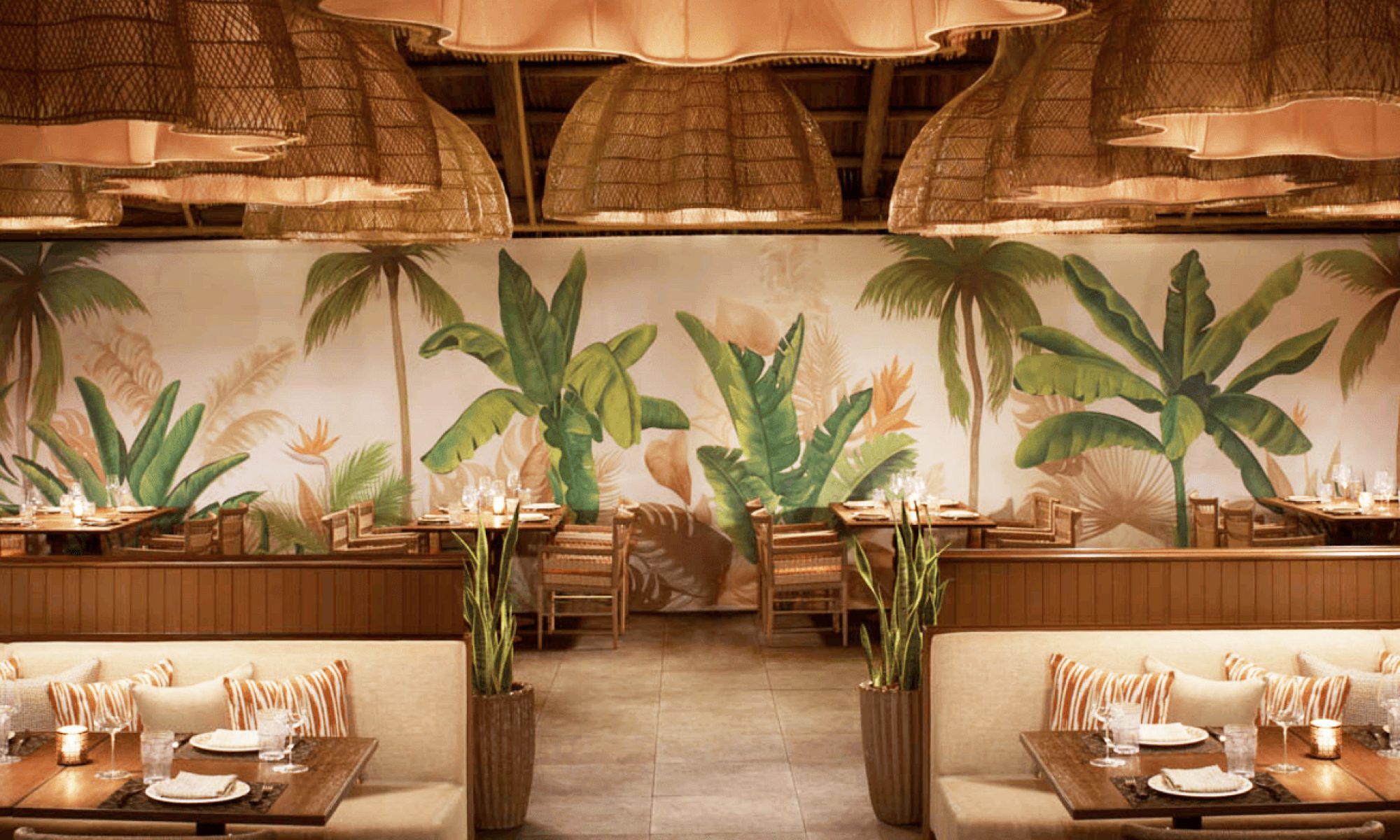

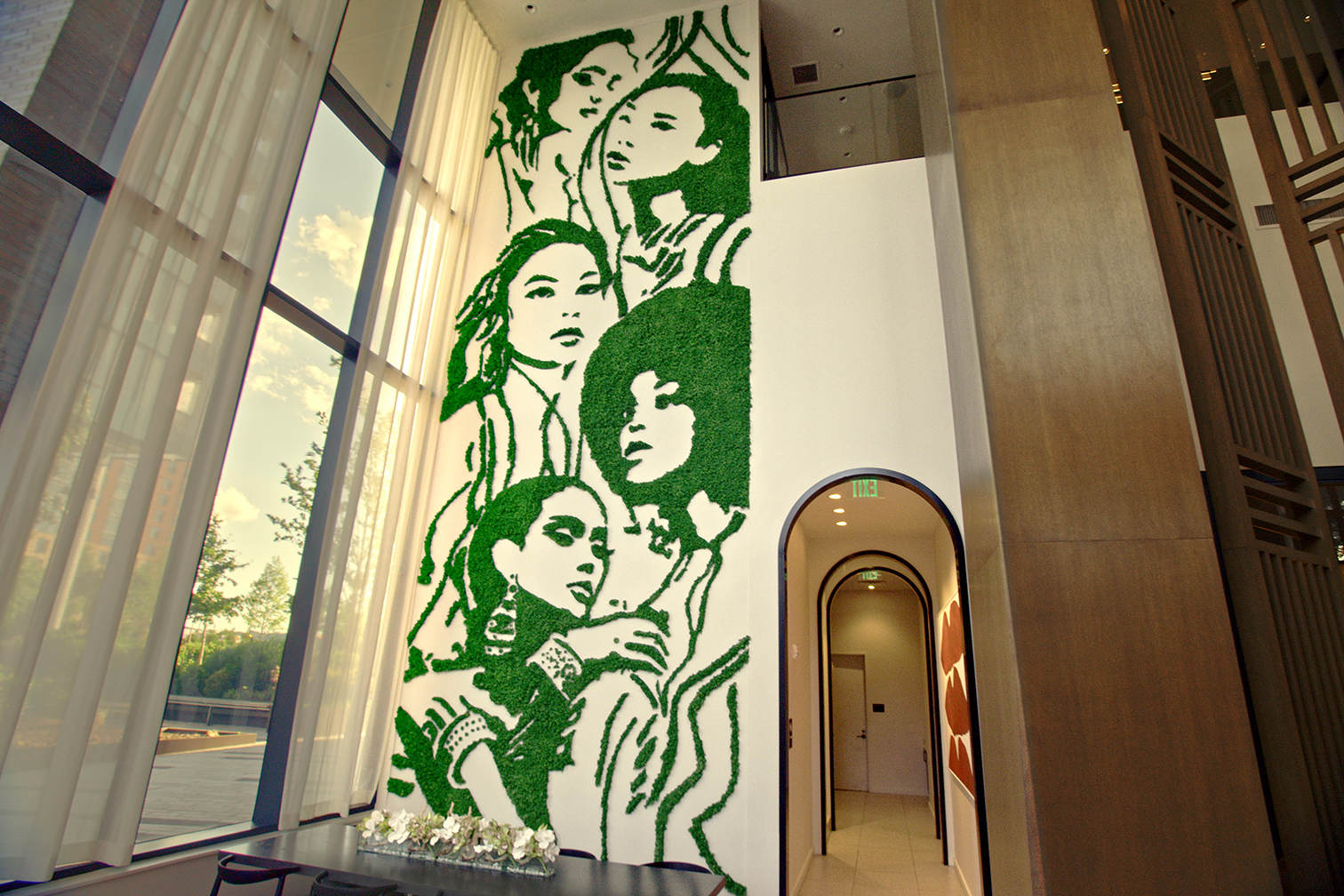
While murals have long been used to transform walls into works of art, many designers, architects, and luxury homeowners are now looking beyond painted surfaces toward something more architectural: custom bas-relief artwork. Although relief sculpture has existed for thousands of years, its resurgence in contemporary design reflects a growing desire for artwork that feels permanent, tactile, and completely integrated into the built environment.
Unlike paintings or framed artwork that can be selected after construction is complete, bas-relief is typically conceived specifically for the architecture it inhabits. Every project begins with the space itself—its proportions, lighting, materials, and purpose. Rather than decorating a room, the artwork becomes part of its identity, creating an experience that cannot simply be replicated elsewhere.
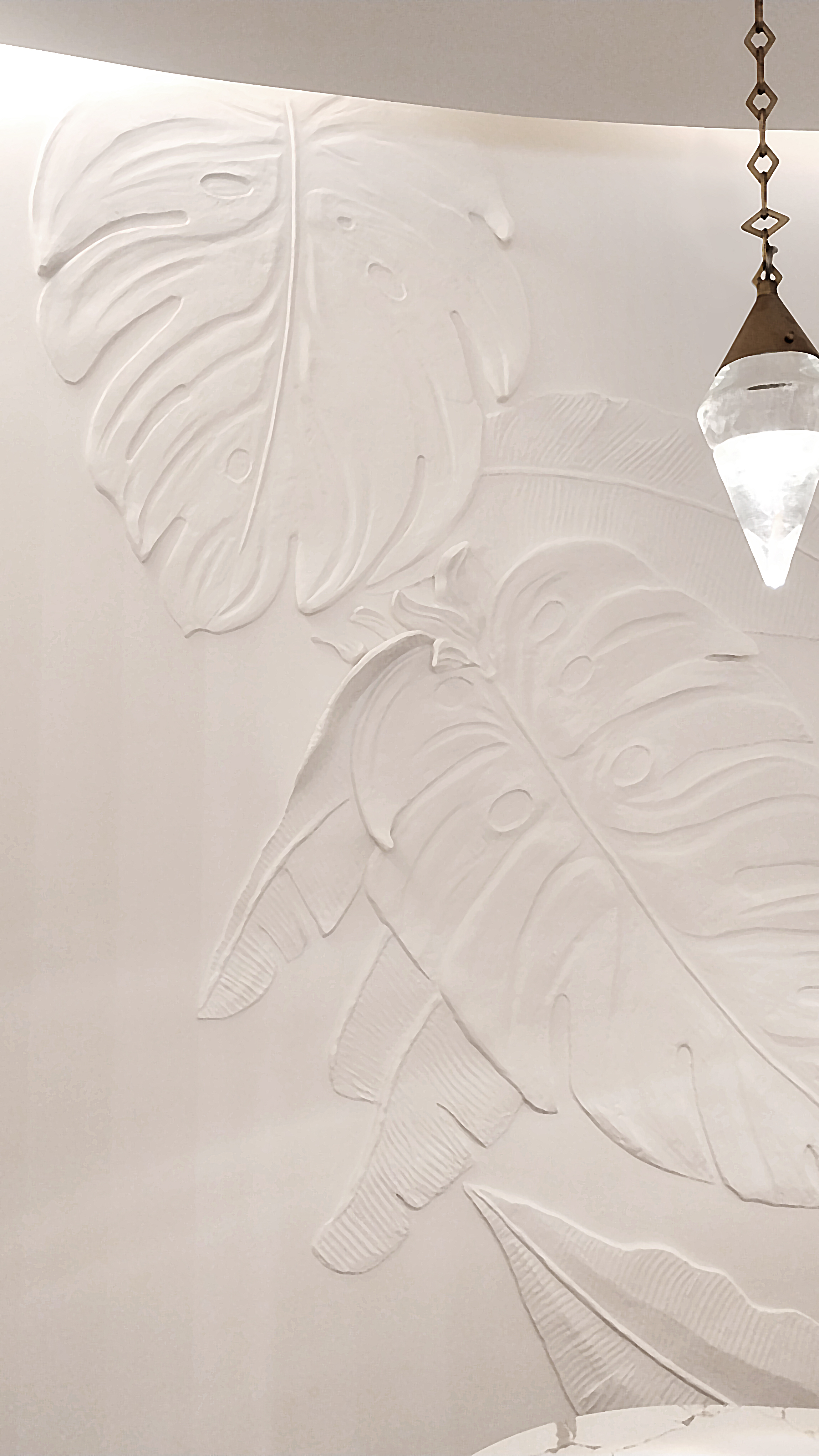
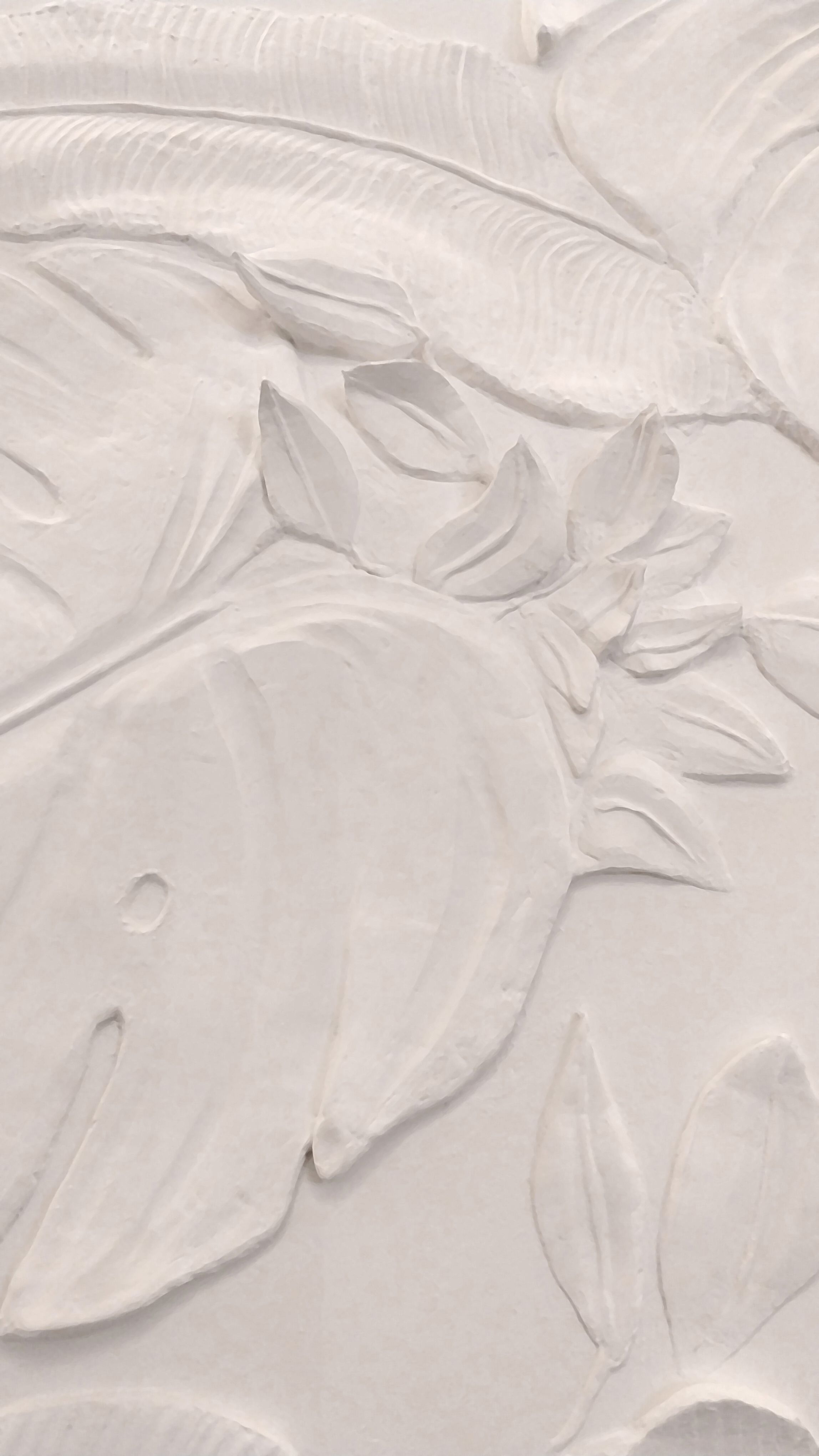
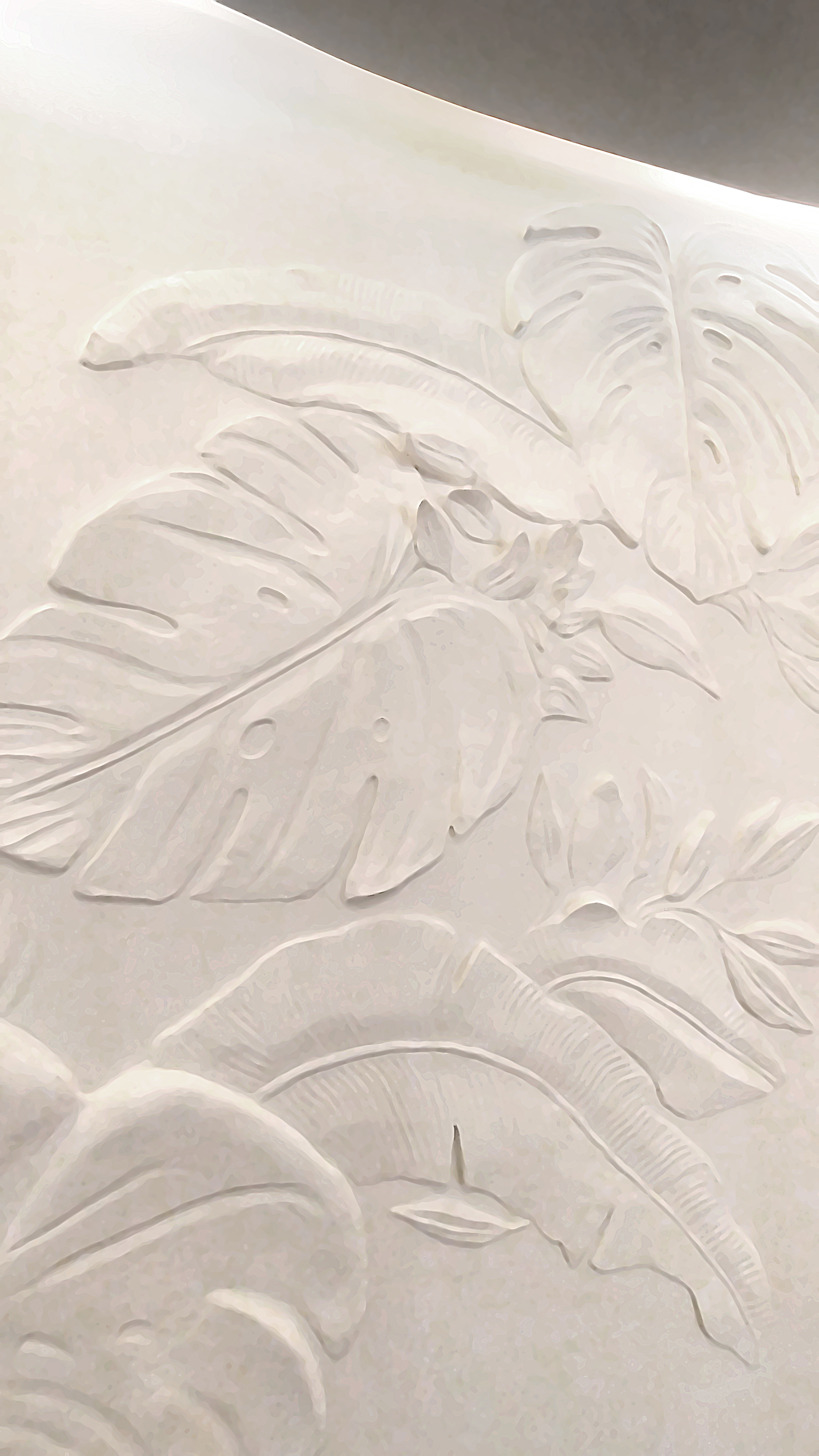
One of the defining qualities of relief artwork is its relationship with light. Throughout the day, changing natural and artificial lighting continuously reshapes the appearance of the sculpture as highlights and shadows move across its surface. This dynamic quality gives relief artwork a sense of movement and depth that flat murals cannot achieve, allowing viewers to discover new details each time they encounter it.
Contemporary reliefs are remarkably versatile. They can be sculpted using reinforced plaster for refined interior installations or created with cement-based materials for outdoor environments. Depending on the design intent, artists may incorporate materials such as preserved moss, metals, resins, or specialty finishes to introduce additional texture and visual interest while maintaining a cohesive architectural aesthetic.
Every relief is custom designed. Some clients prefer restrained, minimalist compositions that quietly complement contemporary architecture, while others choose elaborate sculptural scenes inspired by classical ornamentation. Metallic finishes, limewash, mineral coatings, textured plasters, and hand-applied patinas allow each installation to be tailored to the surrounding interior without overwhelming the space.
The installation process is equally flexible. Reliefs may be sculpted directly onto the wall, allowing the artwork to grow organically with the architecture, or fabricated in sections within the studio before being installed on site. Both approaches produce a seamless finished appearance while accommodating the unique requirements of each project.
Because relief artwork becomes part of the architecture, it performs exceptionally well in spaces where first impressions matter. Hotel lobbies, luxury residences, reception areas, restaurants, amenity spaces, corporate offices, and residential entryways all benefit from sculptural focal points that establish character without relying on signage or decorative accessories. In busy public environments, reliefs can even be recessed into the wall, providing additional protection while preserving their visual impact.
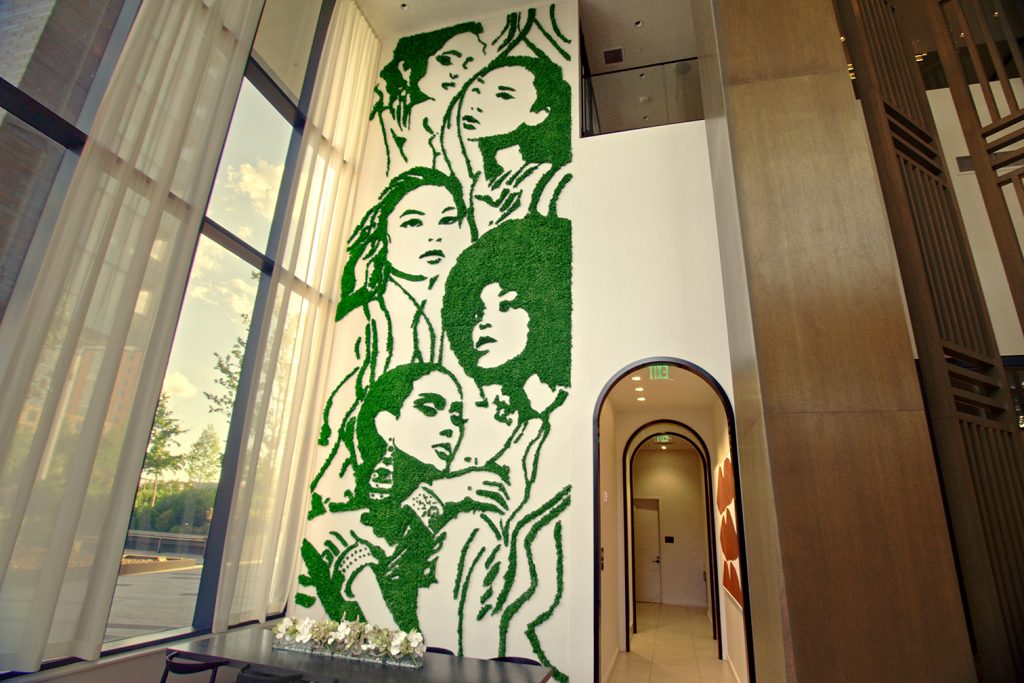
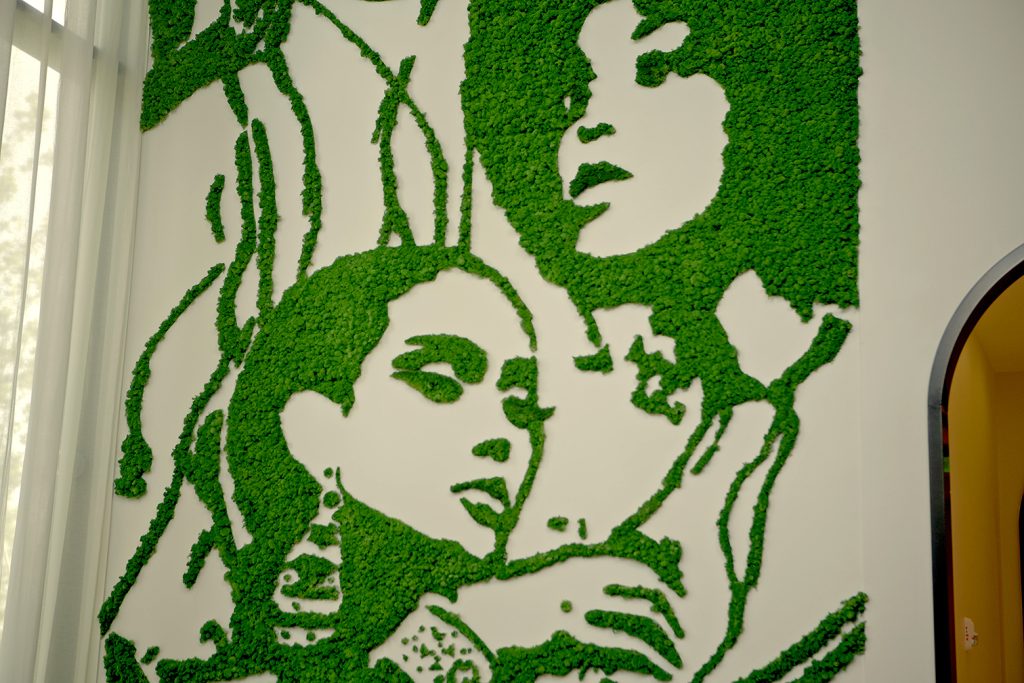
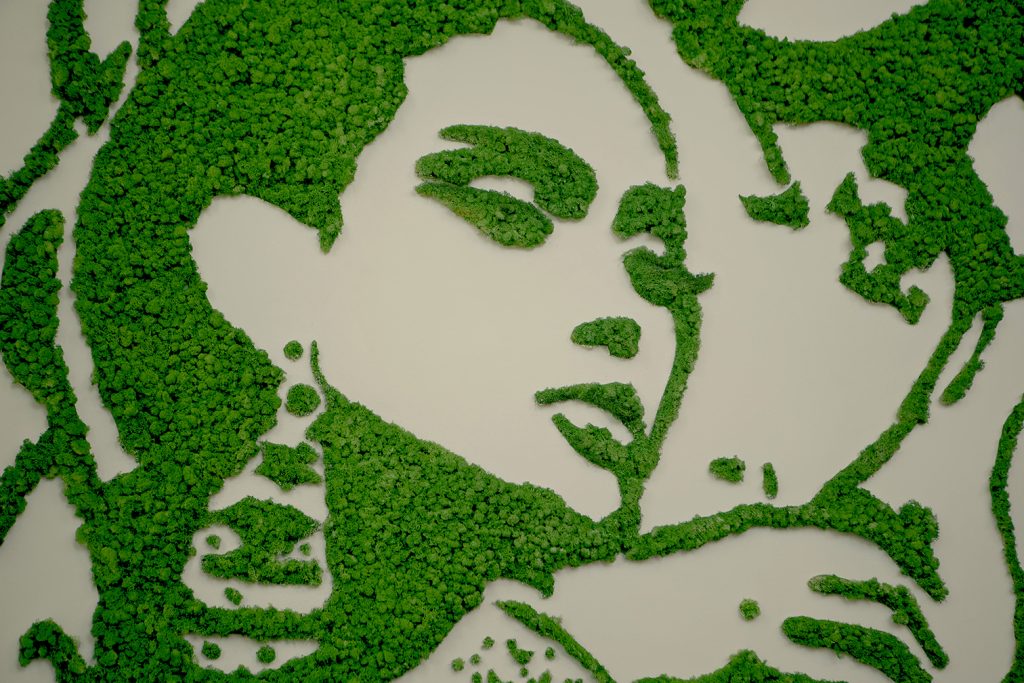
Durability is another reason relief artwork has become increasingly attractive for commercial properties. Properly finished plaster reliefs are easy to clean, highly durable, and can be repaired or refinished if necessary. Exterior reliefs constructed with cementitious materials withstand demanding environments while delivering the same sculptural elegance found indoors. Their longevity makes them a practical investment as well as an artistic one.
Perhaps the greatest strength of bas-relief lies in its ability to bridge architecture and fine art. Rather than competing with surrounding materials, relief sculpture enhances them. Concrete, limestone, bronze, wood, natural stone, and metal finishes all become part of a unified composition, creating interiors and exteriors that feel intentionally designed from the very beginning.
As luxury design continues to prioritize craftsmanship, authenticity, and bespoke experiences, bas-relief artwork offers something increasingly rare: originality that cannot be duplicated. Every installation is created for one specific location, giving homeowners, developers, hotels, and commercial properties a signature feature that elevates both the architecture and the overall experience of the space.
A mural changes the appearance of a wall. A bas-relief transforms the wall itself into architecture—creating a lasting statement that blends sculpture, craftsmanship, and design into a single cohesive work of art.