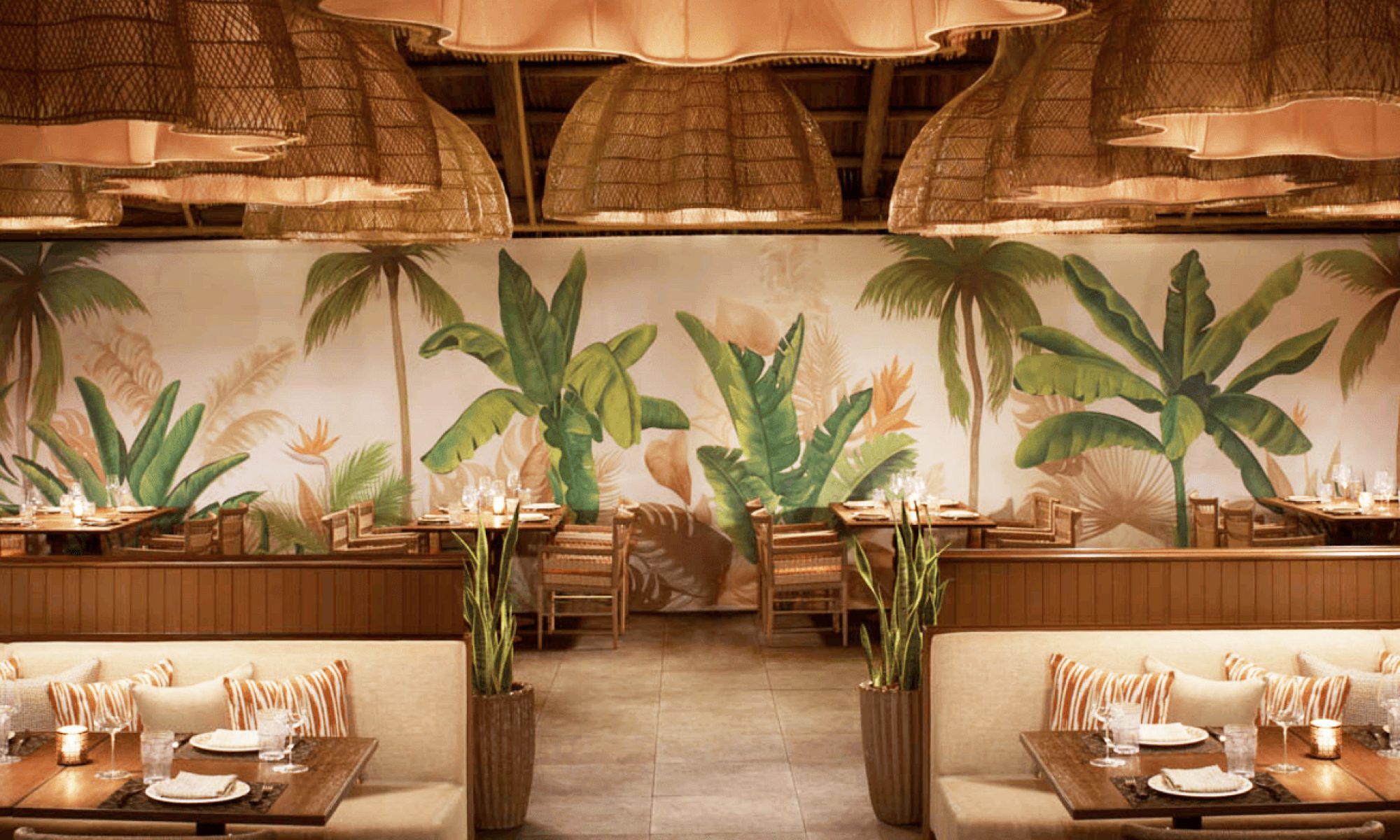

Art is more than mere decoration; it is a powerful design tool that elevates interior spaces by creating narrative, setting the tone, guiding the visitor’s experience, and turning architectural structure into an immersive environment. Beyond the objects on display, the strategic integration of art transforms the museum’s interior itself into a cohesive and engaging work of art. Below are a few examples including a rendering of The Design Agency before a mural installation.
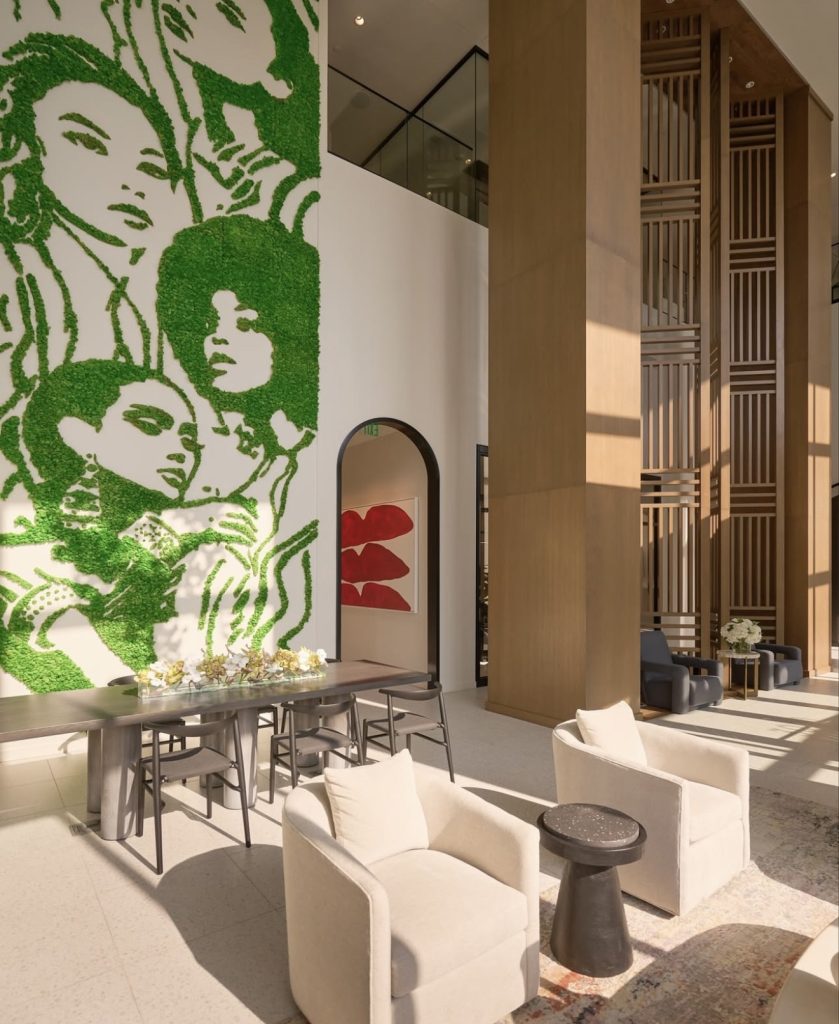


Storytelling and atmosphere

- Narrative foundation. In luxury residential and museum design, art can act as the cornerstone of the entire design process. A space might be built around a specific art collection, with the color palettes, textures, and structural elements chosen to enhance the artwork. This makes the space more intentional and impactful, weaving the art and architecture together.
- Emotional resonance. Art has a profound ability to evoke emotions and influence the atmosphere of a room. Strategic selections can energize a modern lobby, instill a sense of timeless elegance in a historical space, or create a feeling of peaceful contemplation in a gallery.
- A reflection of identity. Thoughtfully integrated art gives a museum’s interior a sense of character and purpose. By curating a collection that reflects certain themes or eras, the museum can tell a unique story and showcase its identity.
Focal points and visual flow
- Creates focal points. Art naturally draws the eye and can serve as a primary focal point in any room. For a museum, a large painting, sculptural installation, or artfully arranged gallery wall can create a powerful anchor that directs visitors’ attention.
- Guides the visitor. By using art to create visual flow, a museum can subtly guide guests through its space. A series of smaller artworks can direct visitors down a hallway, or varying the scale of pieces can encourage exploration in an open-plan area.
- Adds dimension. Works of art introduce color, texture, and dimension into a space. Sculptures add a three-dimensional aspect, while paintings can introduce new colors or complement an existing palette. This enriches the environment with layers of visual interest.
Integrating art and architecture
- Blurs the line between art and architecture. In museums, the lines between art and architecture can become blurred, with structural elements becoming part of the artistic experience. Features like sculptural staircases, artistic lighting fixtures, and custom wall treatments merge function and form to create stunning interiors.
- Transforms structure into soul. While good architecture provides the foundation, art makes a space feel alive. It breathes “soul into structure,” as one designer put it, adding an emotional layer that furniture and lighting alone cannot create.
- Highlights features. Strategically placed art can call attention to the museum’s architectural details, such as intricate moldings or unique structural features. This harmonious blending of art and architectural elements results in a curated and sophisticated space.
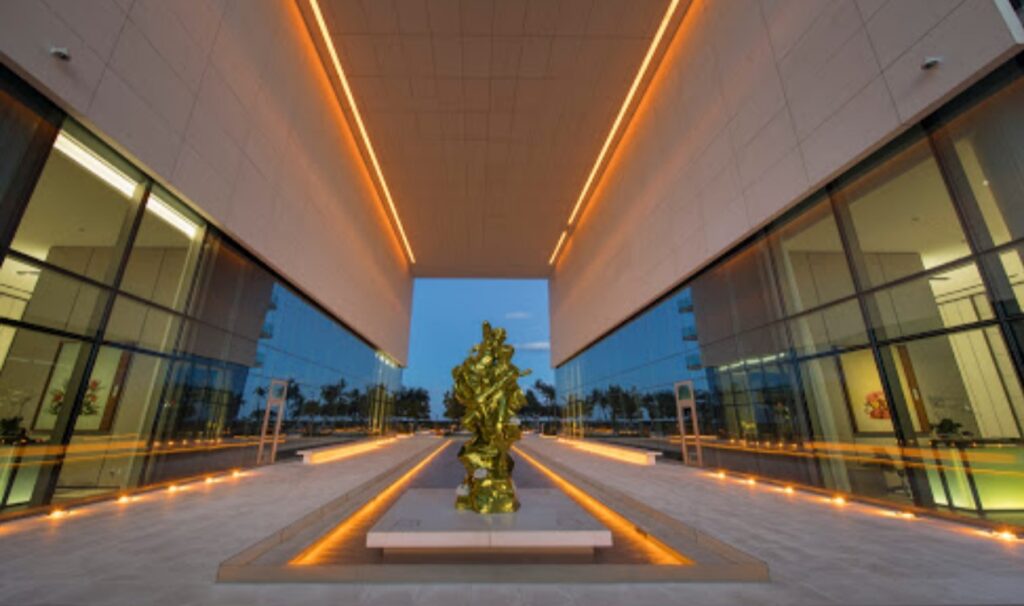
This artwork above by artist Koons creates center focal point to the breezeway of Oceana in Miami.
The museum as an immersive experience
- A canvas for immersive storytelling. Beyond traditional gallery formats, museums use installation art to create multi-sensory and immersive experiences. Interactive light displays, dynamic digital art, or suspended sculptures can all transform a space into a living, breathing work of art that visitors can step into.
- Creates memorable moments. The intersection of art and interior design in a museum is not just about aesthetics; it’s about creating a powerful and memorable experience for the visitor. By thoughtfully integrating art, a museum can craft an environment that inspires, delights, and fosters a deep connection to the artwork.